
Important update: New enrollments will be $530/month starting June 10. Existing clients stay at $430/month.
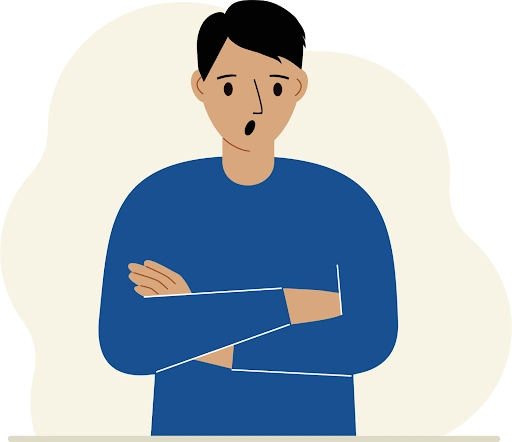
Do you ever feel like you just can’t get moving?
You know what you need to do, but everything feels heavy. You’re not sad, exactly. Not anxious, either. You’re just… flat. Shut down. Frozen.
It’s easy to label yourself as lazy or unmotivated.
But chances are, your nervous system is stuck in freeze mode—and this isn’t a personal failing.
It’s a survival response.
Most people have heard of fight or flight—the body’s way of dealing with a threat by getting aggressive or running away.
But there’s a third stress response we don’t talk about enough: Freeze.
It’s what happens when your nervous system decides:
“This is too overwhelming. I can’t fight it. I can’t escape it. So I’ll shut everything down.”
In freeze mode, you might feel:
It can look like burnout. It can feel like depression. But often, it’s your nervous system doing its best to protect you from overload it couldn’t handle at the time.
Your nervous system is always scanning for safety.
When it detects too much danger—or even too much perceived pressure—it switches into protective mode.
If fight or flight isn’t available (say, because you’re overwhelmed, exhausted, or emotionally stuck), the brain shifts into freeze.
It’s not something you choose. It’s something your body does for you.
The way out of freeze mode isn’t to “push through” or “snap out of it.” In fact, doing that often drives your system deeper into shutdown.
Instead, healing starts with nervous system regulation—giving your brain and body small, consistent experiences of safety and connection.
Here are five gentle, brain-based ways to start thawing out:
💨 1. Breath With Intention
Slow, deep breaths—especially longer exhales—can signal to your body that it’s safe to come out of shut-down mode. Try humming or sighing slowly. It calms the vagus nerve, which plays a big role in regulating the freeze response.
🚶 2. Gentle Movement
Even light stretching or walking sends signals to your brain that you’re not stuck. You don’t need to work out—just move a little. It’s about waking the system up gradually.
🧠 3. Neurofeedback
Neurofeedback helps your brain shift out of dysregulated patterns—like freeze—by teaching your brain to shift out of shut-down patterns—naturally and non-invasively.
It works like this:
In freeze, we often see too much delta or theta activity (slow-wave states). Neurofeedback helps reduce these and promote more alert, connected states—like alpha and beta—without pushing the system too hard.
🧍♀️ 4. Talk to a Safe, Regulating Person
When you’re in freeze, isolation often makes it worse. One of the most healing things you can do is talk to someone who makes you feel seen and safe—a therapist, counselor, or even a calm, trusted friend.
Why?
Because regulated nervous systems help co-regulate others.
Being seen and heard without pressure can begin to unfreeze the parts of you that shut down.
Big goals can feel overwhelming in freeze mode. Instead, each day, write down one tiny thing you did—even if it’s just “I got out of bed” or “I drank some water.”
Each day, write down just one thing you did:
This reinforces and reminds your nervous system:
“I’m not stuck. I’m doing something.”
Freeze mode is your nervous system’s way of saying:
“This was too much.”
Healing is your way of saying:
“But I’m safe now.”
With gentle practices—like breathwork, movement, supportive relationships, or neurofeedback—you can come back online, one soft step at a time.
Neurofeedback helps your brain gently move out of shut-down states—without pressure or medication.
A: The freeze response is a survival mechanism where the body and brain shut down to protect from overwhelming stress. Instead of taking action, the system conserves energy by becoming still, numb, or disconnected.
These signs can be misinterpreted as laziness or depression—but are often a form of nervous system dysregulation.
A: Trauma—especially where you felt helpless or trapped—can wire the brain to default to freeze mode. Even when life looks fine, your body may still operate as if it’s under threat.
A: Healing freeze involves regulation, not willpower. Breathwork, somatic practices, therapy, and neurofeedback all help by giving your system safe, consistent signals that the danger has passed.
A: Yes. Neurofeedback retrains the brain to reduce overactive slow-wave patterns (like delta and theta) and encourages more optimal rhythms. This supports alertness, emotional presence, and overall nervous system balance.
Absolutely. Many high-functioning people are living in freeze mode internally.
Your nervous system doesn’t respond to logic—it responds to felt safety.
Creating experiences of true, embodied safety is what helps shift the pattern.
Quick, practical brain insights from NeuroClinic — just 2x a month ✨
Want simple tips for a calmer, more focused brain?
Join our mailing list.
Thank you for subscribing!
You’re in! Don’t forget to check your promotions.